

Where Can You Ride a Motorbike 'Off-Road' in the UK?
Start with the Trail Riders Fellowship!
Trail Riders Fellowship (TRF): The Best Starting Point
The TRF is the UK’s national body for riding green roads (aka green laning), and it’s the single best resource for new riders. Membership gets you access to its Green Road Map (GRM) that plots the entire 6000 mile network of green roads, connects you to its 13,000-strong membership via 40 groups spread around England and Wales, and from those you can join group rides led by experienced members. That’s the important part: it plugs you into a community that actually knows which lanes are legal, which are contentious, and which have been closed since last season, because that changes constantly.
Green Roads, BOATs and UCRs Explained
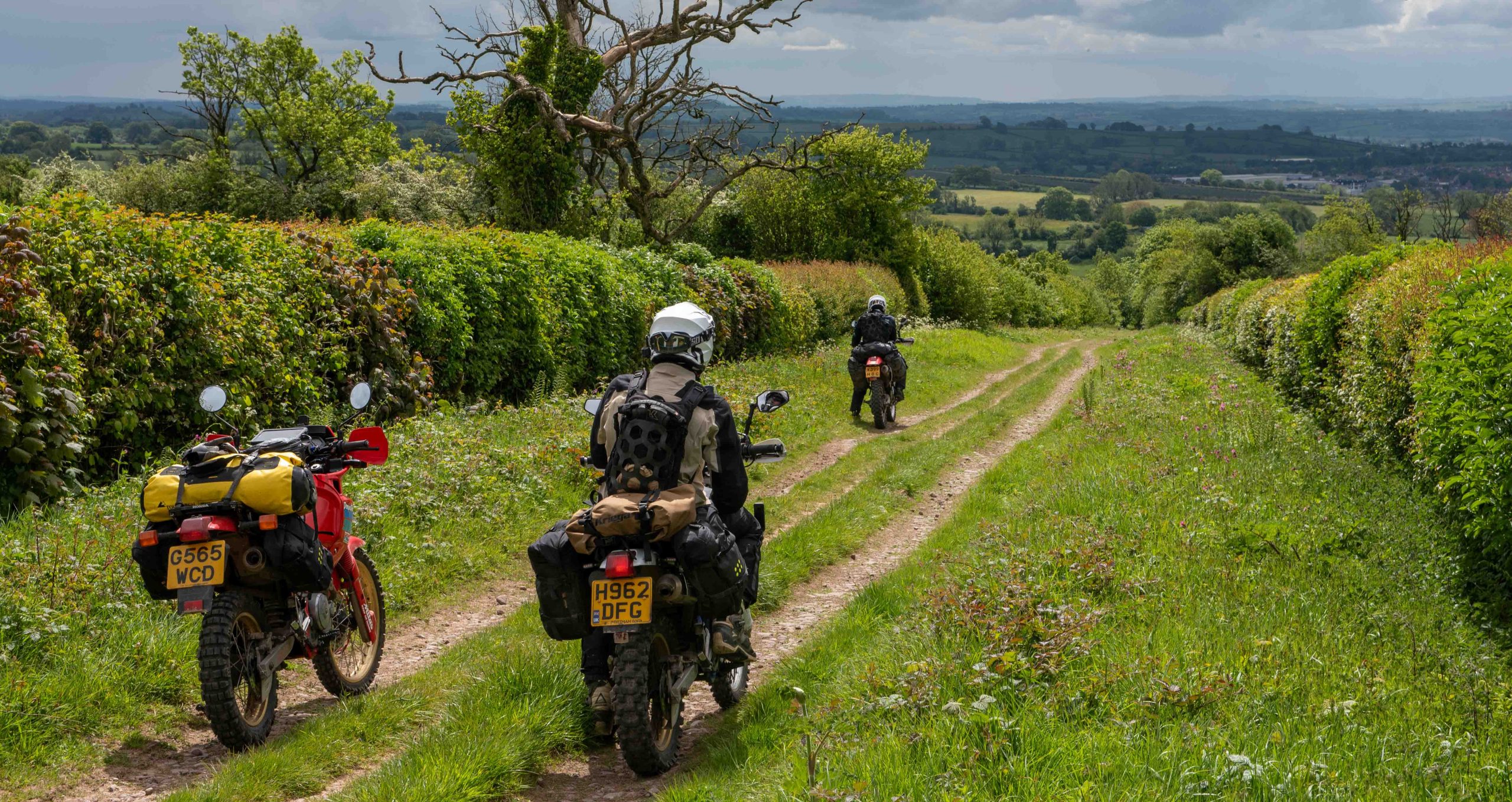
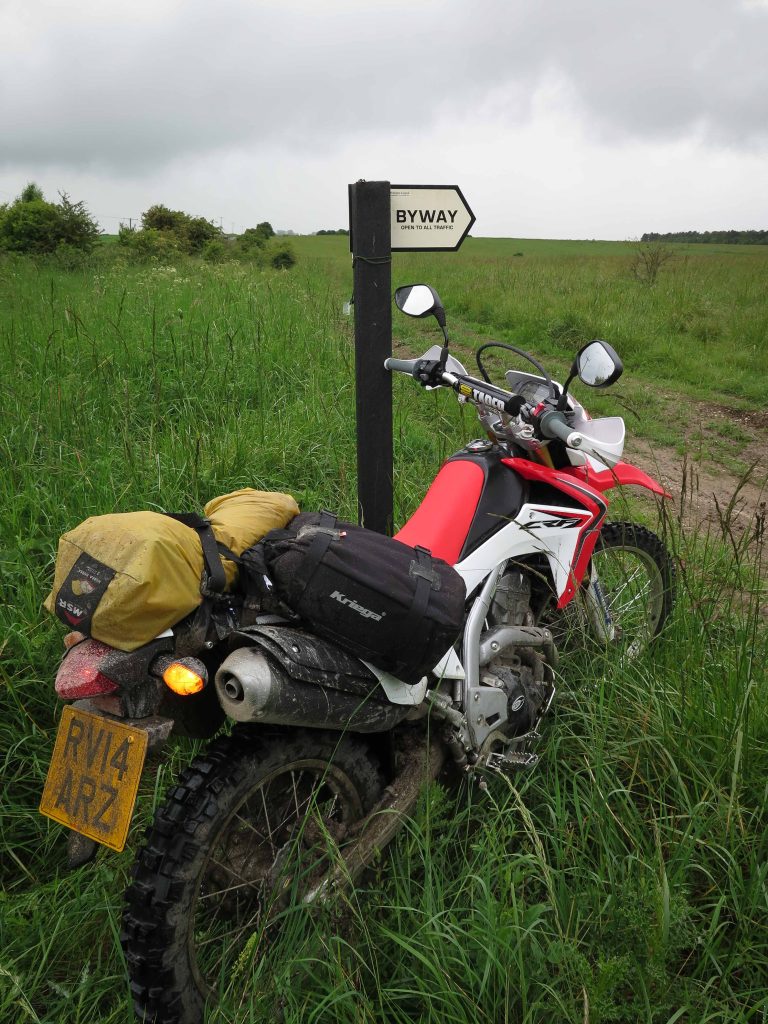
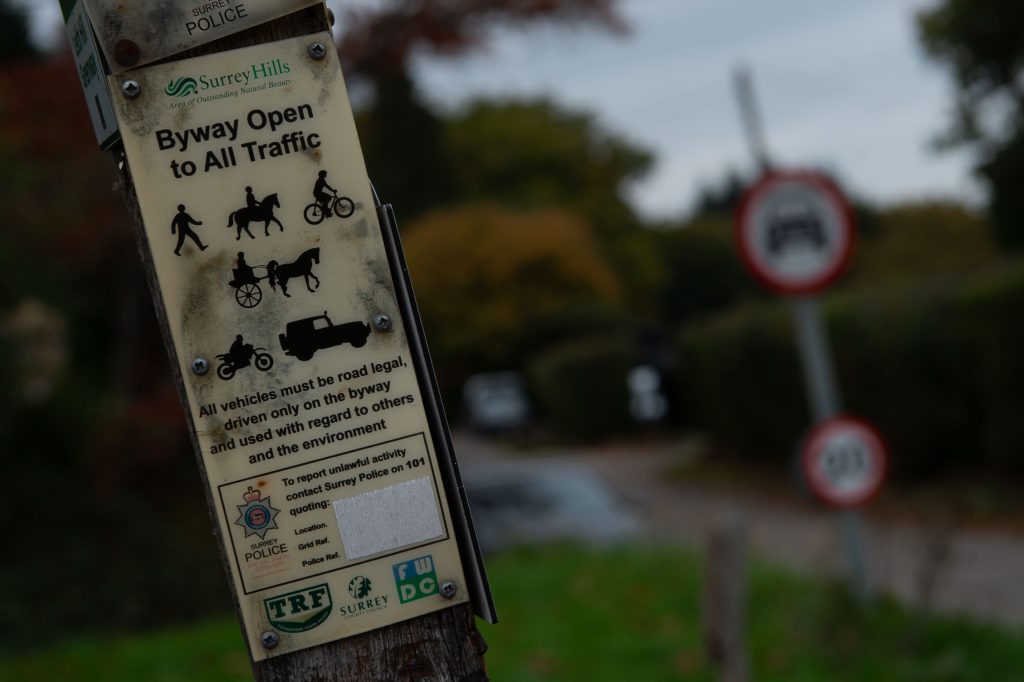
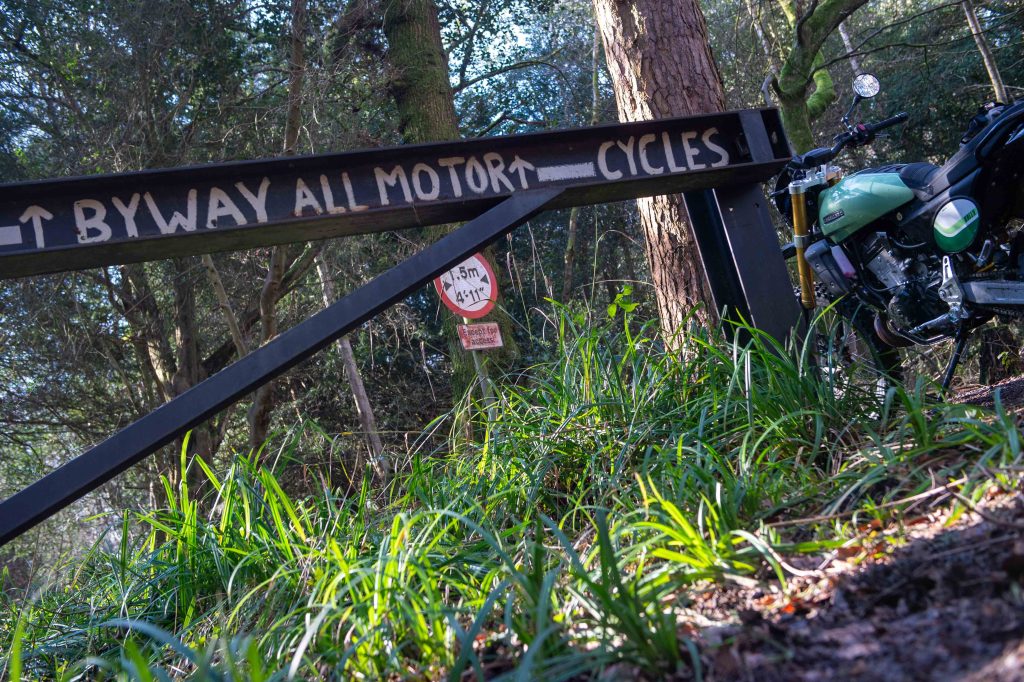
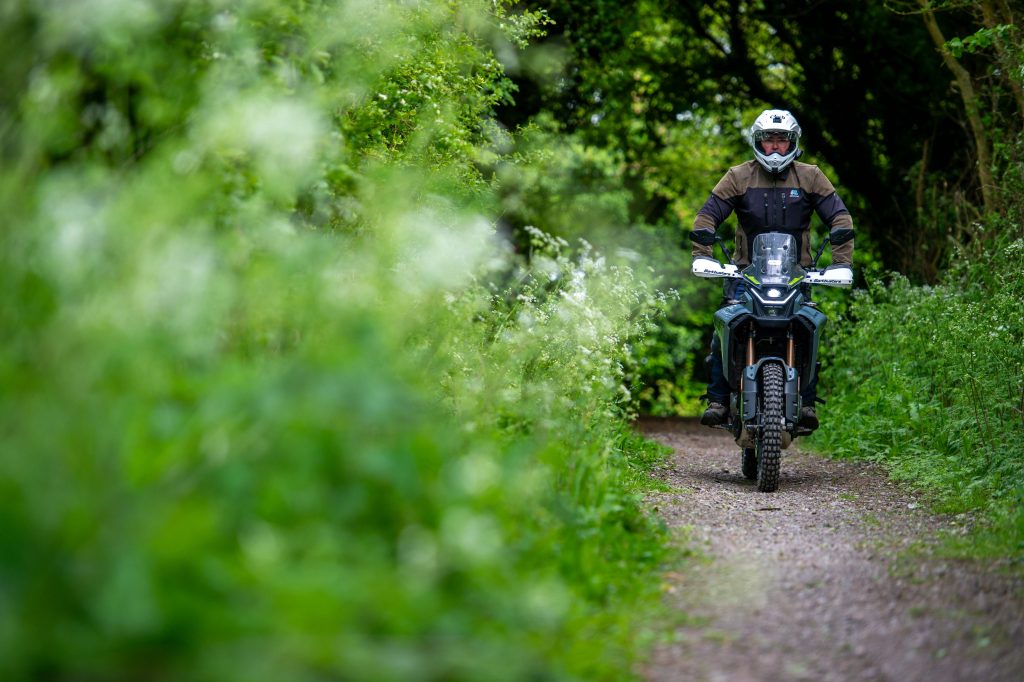
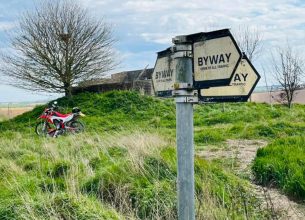
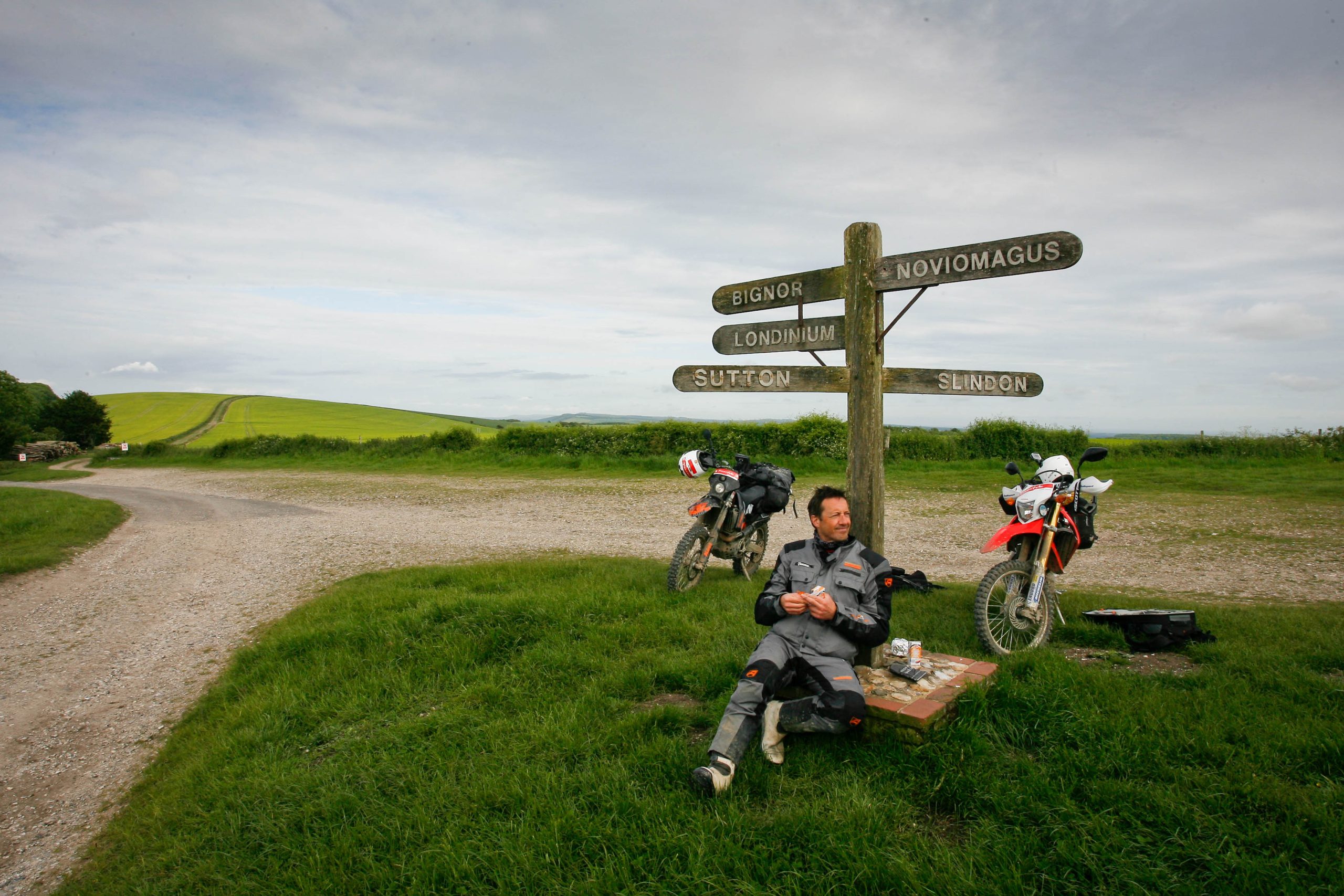
So there’s the misnomer in the title question. We’re not talking ‘off-road’, that’s riding on private land for events like trials, enduro and motocross. What people should be asking is, where can I ride unsealed roads, aka green roads. Yes, to be correct, we’re looking at green roads, which is the all-encapsulating term for unsurfaced tracks that carry vehicular rights, these are otherwise known as Byways Open to All Traffic (BOATs) and Unclassified Country Roads (UCRs). These are the unsealed ‘trails’ where motor vehicle rights exist but aren’t always clearly signed.
Are Green Lanes Legal for Motorbikes?
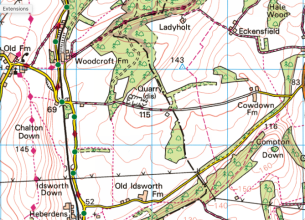
Not every unsurfaced track is open to motorbikes. Public footpaths and bridleways are not legal for motorised use, and riding them is both an offence and a major source of friction with landowners and walkers. Definitive maps held by local county councils show the legal status of any route, while the TRF publishes its own guidance and, through the GRM and local groups, you may access mapped routes specifically checked for vehicular rights.
Always verify status before riding somewhere new, don’t rely on old guidebooks or forum posts alone, as Traffic Regulation Orders (TROs) can close or restrict lanes at short notice, especially after bad weather.
Riding Green Lanes Legally and Responsibly
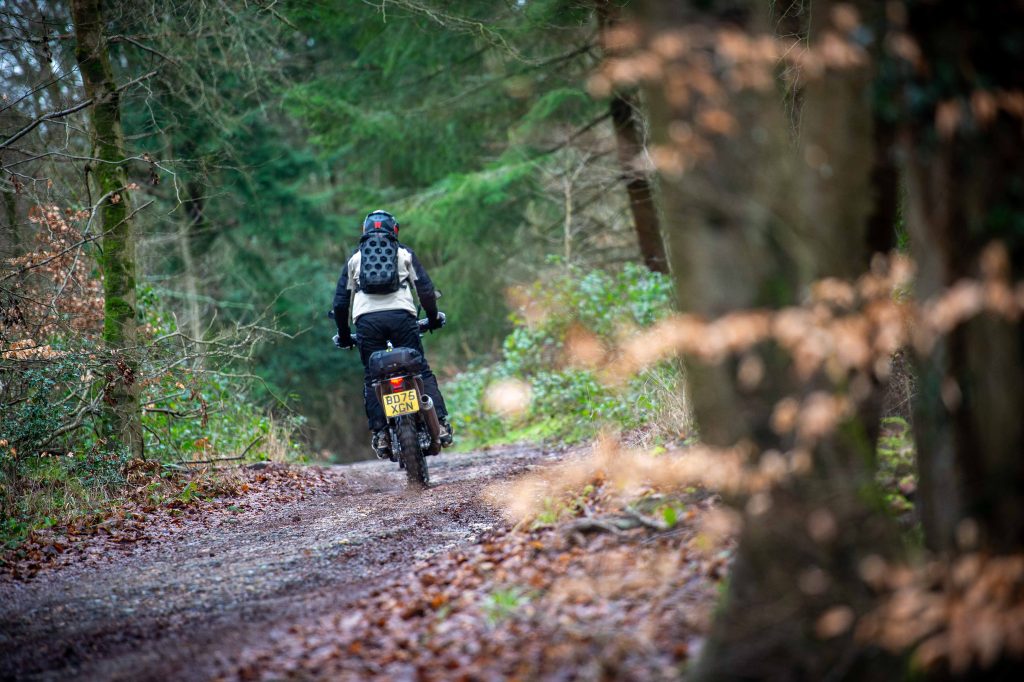
Riding responsibly matters as much as riding legally. Green lanes are shared spaces: walkers, horse riders, cyclists and residents use them too. Keep speeds low, especially near blind bends and gates, pass others slowly and with courtesy, stick to the existing trail rather than widening it or cutting corners, and leave gates as you find them. Avoid riding in conditions that will churn a lane into a rut, since erosion is one of the main arguments used to get lanes closed to vehicles altogether. The TRF’s own code of conduct covers this well and is worth reading in full.
Getting Started: A Practical Checklist
Join the TRF, find your local group, go out on a few taster rides before venturing out alone, and get a proper road-legal trail bike set up correctly (MOT, tax, insurance, number plate) since green lanes are public roads and highway regulations apply. Treat every lane as a privilege that riders collectively can lose if it’s abused. That mindset, more than any map, is what keeps the network open.
Trail riding terminology
The world of Trail Riding and Green Roads has a bewildering array of terms here are some references to get your head around
Public mapping and its impact on Trail Riding
A short history of public mapping and how it has impacted the status and reputation of Green Roads and Trail Riders ability to use them
Case studies of public mappings impact
Examples of how current public mapping of Green Roads works to the detriment of Trail Riding and wider public access