How to Choose the Best Trail Motorcycle for UK Riding (for you)
Trail and adventure motorcycles have never been more popular with UK riders, making up nearly one-third of the new bike marketplace. Their upright riding position, forgiving suspension and go-anywhere attitude make them equally happy on a wet motorway commute, a green lane at the weekend, or a multi-day tour through Wales or Scotland. But ‘trail bike’ covers everything from a 125cc learner machine to a 1200cc continent-crosser, so picking the right one means matching the bike to how, and where, you actually ride.
Start With Your Licence and Experience
Your licence category is the first filter. New and young riders on an A1 licence are restricted to bikes of 125cc and 15hp. Those on an A2 licence are restricted to bikes producing no more than 47bhp, which rules out full-size adventure machines (unless hp-restricted – an option some manufacturers offer). Full-licence holders have the whole market to choose from, but more power isn’t automatically better for trail riding — a lighter, less powerful bike is easier to control on the trail and less intimidating for building confidence.
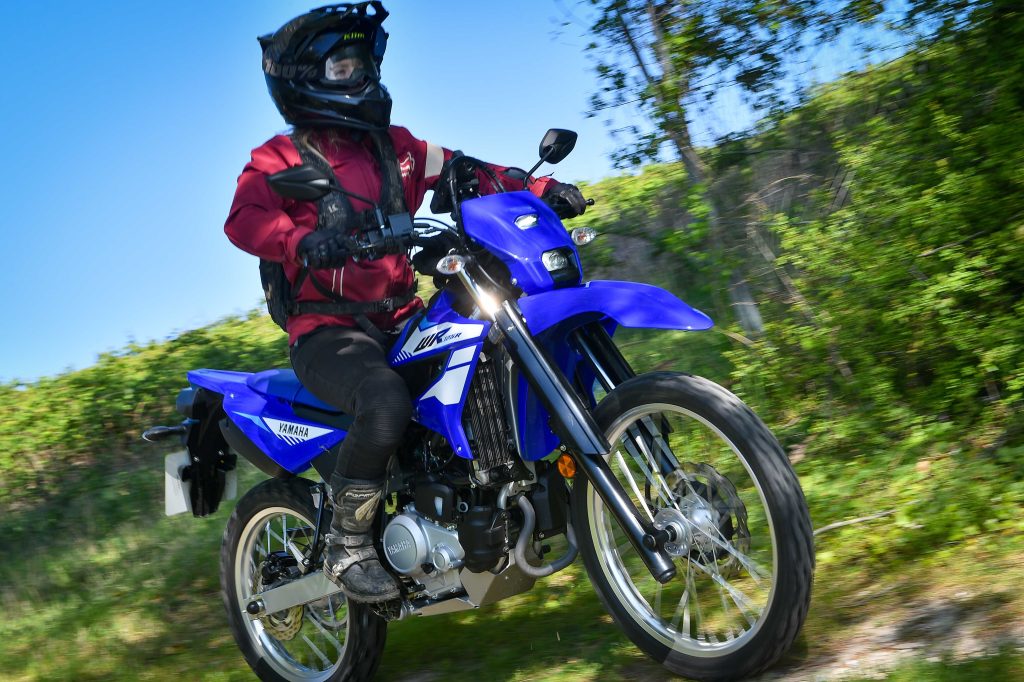
Yamaha's WR125R puts 17-year-olds and A1 licence holders right into the thick of the trail action – in style!
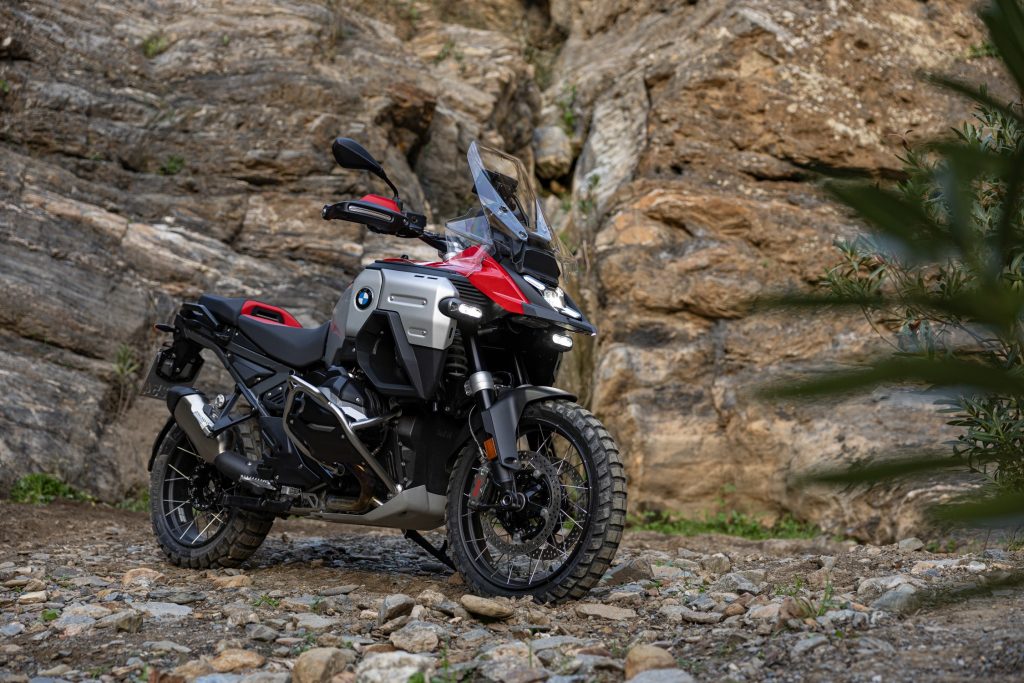
Trail bike? You'd be surprised just what the mighty BMW R1300GS Advenuture can do – in the right hands (with the right wallet)
Weight and Seat Height Matter More Than Spec Sheets
A common mistake is buying on paper specs alone. Trail bikes are typically ridden standing on the pegs over rough ground, and a heavy machine is hard work to pick up if it falls — which it will, eventually. For those new to trail riding, lightweight options like the Honda CRF300L or Suzuki’s newly updated DR-Z4S are far more forgiving than a fully-loaded 250kg adventure tourer, even if the bigger bike looks more capable in photos.
Some often choose enduro competition models, being light and very affordable second-hand. But be aware these bikes are designed primarily for cutting-edge competition with engine and handling characteristics to suit, making them a handful for the less experienced rider. They are also less versatile without the ergonomic comfort, the fuel range nor the high gearing options to make road riding enjoyable. Frankly, the dedicated trail or adventure model is the better choice (especially for the future of this pastime).
Think About How You'll Actually Use It
Be honest about your riding mix. If 90% of your riding is tarmac with the occasional gravel track or green lane, a road-biased trail bike, such as the Suzuki V-Strom 800DE or Honda XL750 Transalp or the Yamaha Ténéré 700, will suit you better. Add in serious continental adventures or two-up touring and the likes of BMW’s R1300GS and KTM’s 1290/1390 Adventure models come into play – budget allowing. They’re big, expensive, but actually extremely well engineered and in the right hands very capable off tarmac. But be aware you’ll need to be selective on the trails you ride (easier – and much easier if you have little experience) and have a wary eye for seasonal changes to the trail. Learning how to trail ride on such bikes isn’t easy and if you are dead-set on this option then training with one of the manufacturer-backed adventure schools is a wise early investment.
If, however, you are keen to chase down every last green road, taking on everything that might come your way, be it overgrown hedges, fallen trees, rock steps or river crossings, then a more trail – as against adventure – oriented model is better for you. Again we can mention the likes of the CRF300L and the DR-Z4S – something 150kg or less with 21”/18” wheel sizes ideal for road-legal trail tyres.
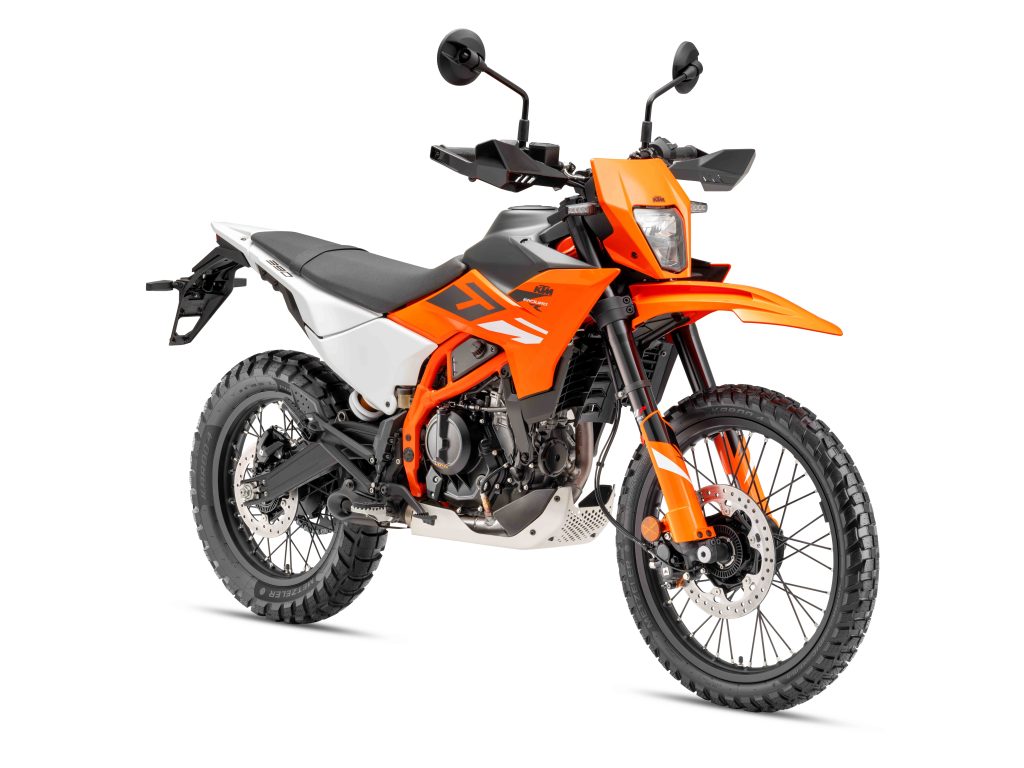
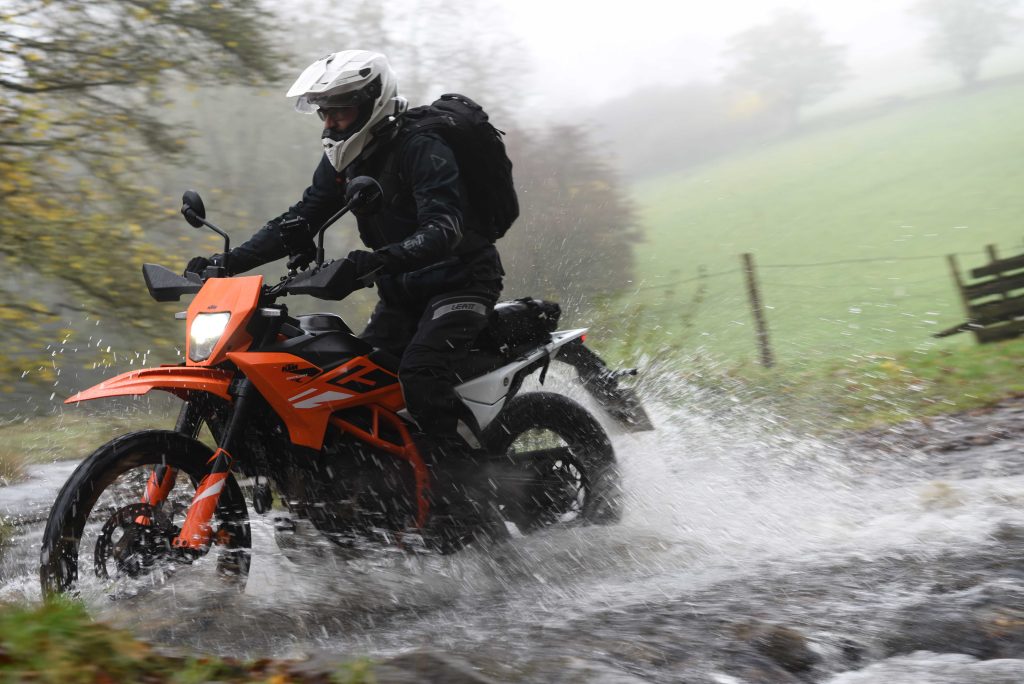
KTM's new 390 Enduro R has all the right atttributes to make a fine trail bike
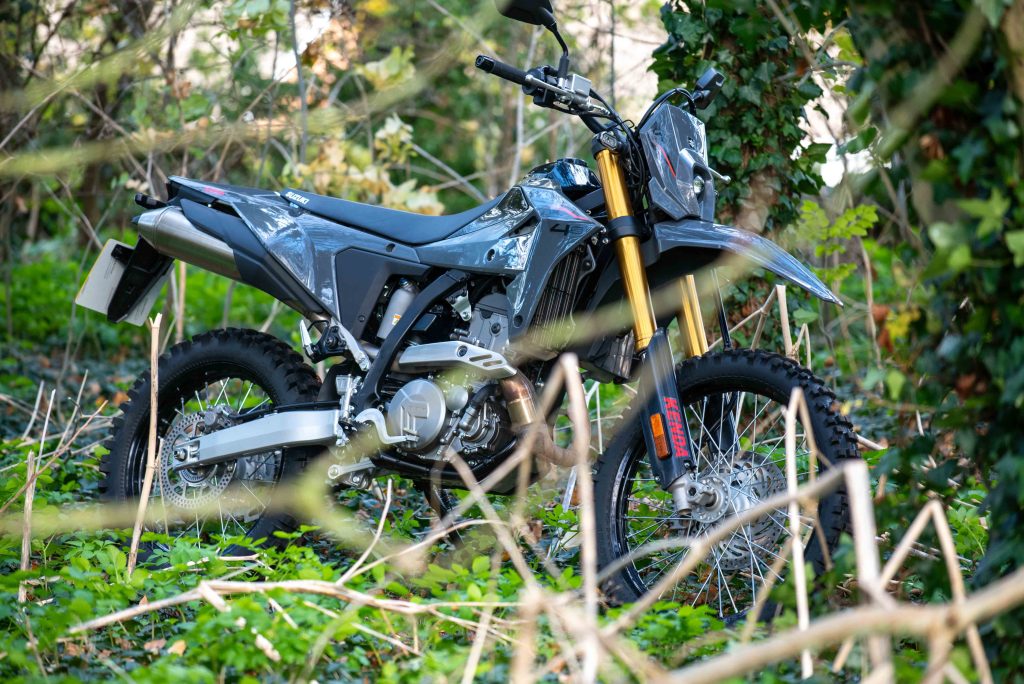
Suzuki's DR-Z4S makes a premium job of the 400cc trail bike offering
Don't Ignore UK Weather
Britain’s climate is hard on bikes and riders alike. A track that rates as easy mid-summer can be extremely difficult in winter conditions (experienced trail riders know never to trust chalk or clay when wet…). So again factor weather in. If you are starting out with a big adventure bike then you’ll probably be best advised to wait for drier months to go exploring the lanes (maybe attend some training in the meantime – training schools typically have all-weather terrains). On lighter bikes, just know that the wetter conditions make things more difficult and tyre selection in the wetter months becomes very important.
The Rise of Chinese Trail and Adventure Bikes
One of the biggest shifts in the market over the last few years has been the arrival of genuinely decent Chinese-built trail and adventure bikes. The Chinese have especially embraced the light-middleweight trail-adventure segment with offerings such as the CF Moto 450 MT, the Kove 450 Rally and the Voge 300 Rally. There are also ‘mixed-race’ options such as the Rieju Adventure Rally 307 that combines a Chinese base model with a few choice adaptations and add-ons by the Spanish brand.
The Chines have also started successfully competing in the larger capacity adventure segments. Kove’s 800X, CF Moto’s 800MT-X and 1000MT-X undercut equivalent Japanese and European rivals by thousands of pounds while offering comparable spec. That comparable spec comes from the joint-venturing that European brands such as BMW and KTM have made with the Chinese manufacturers, so you’ll see Chinese models with ostensibly identical engines, even frames to their European equivalents. Build quality and reliability were once a fair concern with Chinese bikes, but current models are also backed by proper UK dealer networks and warranties, and reviewers increasingly rate them on merit rather than marking them down for their badge. For budget-conscious buyers, they’re now a serious alternative worth test riding alongside the established names.
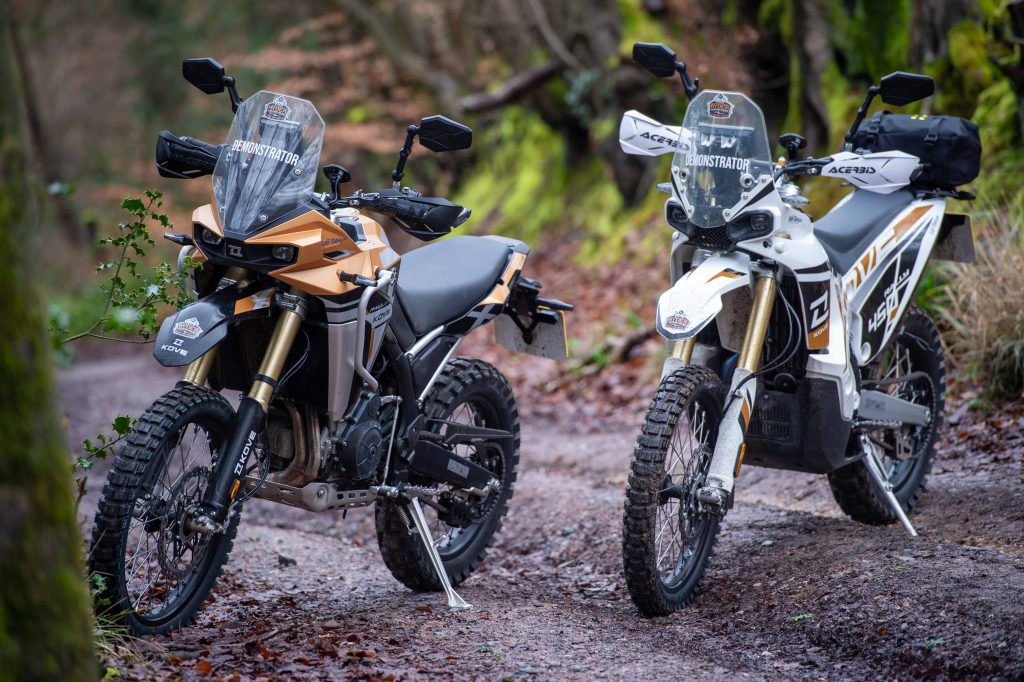
Kove's 800X and 450 Rally bring trail poise and works-spec
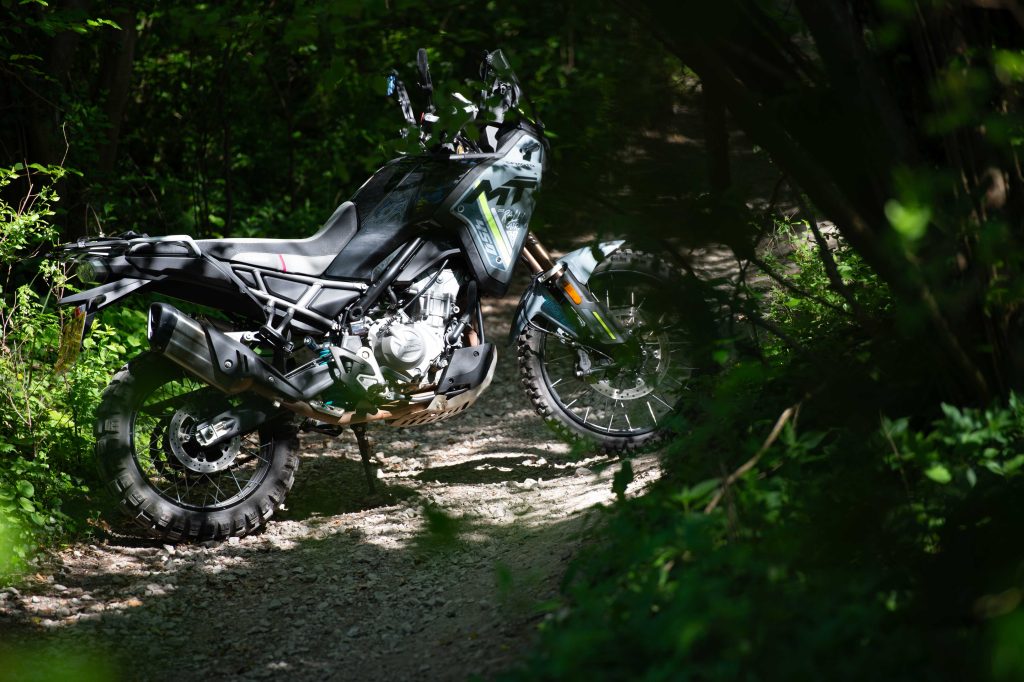
CF Moto's 450 MT has shaken up the trail market with remarkable all-round performance for a great price
New or Second-Hand?
Buying new gets you a full warranty, the latest safety kit such as cornering ABS and traction control, and no unknown history, which matters on a bike that may see rough off-tarmac use. It’s the safer choice for a first trail bike. Buying second-hand stretches your budget further, letting you afford a higher-spec model than you could as new, while established models like the Ténéré 700 or Africa Twin, even smaller models like the CRF300L hold their value well and have a strong used market. The trade-off is checking wear carefully: look at chain and sprockets, suspension seals, and any signs of off-road drops or neglected servicing, since trail bikes are often used harder than the average commuter. A pre-purchase inspection is worth the money on any used trail bike.
Trail Bikes Worth Considering in 2026
A few current models stand out for UK buyers this year:
Suzuki DR-Z4S — the long-awaited replacement for the cult-favourite DR-Z400, now Euro5+ compliant, perfectly focused for green-laning.
BMW F 450 GS — a new, A2-friendly middleweight built in partnership with Indian firm TVS, a more adventure-focused middleweight offering genuine GS character.
Honda CRF300L Rally — a lightweight, affordable dual-sport that’s easy to handle on trails yet capable enough for longer road trips.
Kove 450 Rally – a remarkable near-Dakar Rally spec’d trail model for a regular trail bike price.
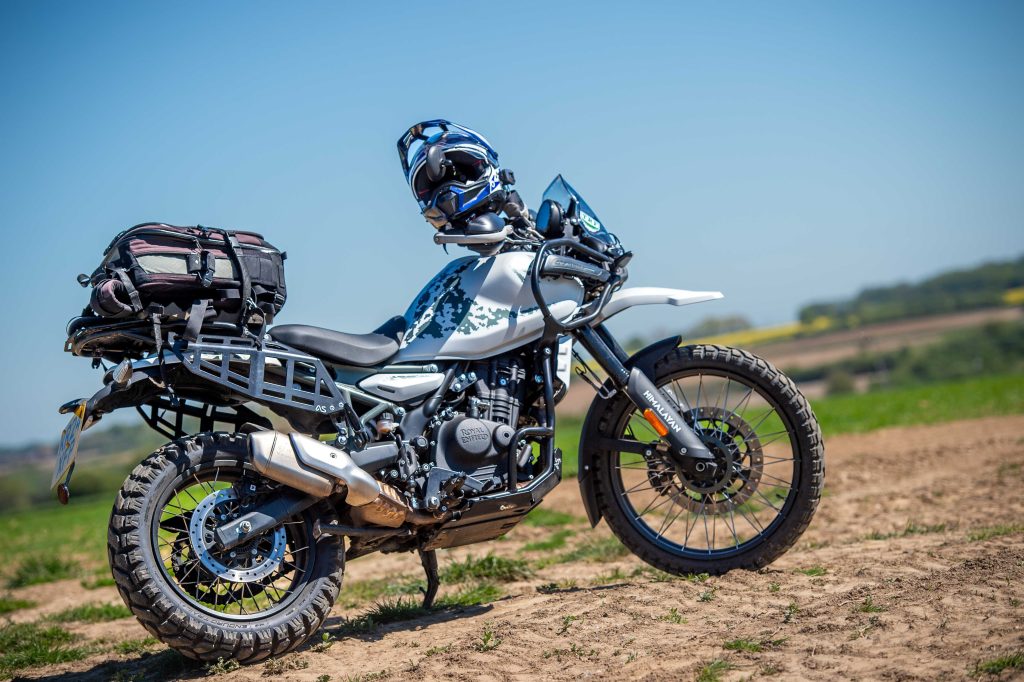
Royal Enfield Himalayan 450 – uniquely and attractively styled adventure model built to high standards, growing a cult following.
Yamaha Ténéré 700 — the market-leading off-road-focused middleweight with a strong following among serious adventure riders.
CF Moto 800MT-X — a well-spec’d Chinese-built middleweight (with KTM 790 Adventure origins) with a price significantly undercutting rivals with similar power and equipment.
Royal Enfield's Himalayan 450 has unique looks but surprising capability and a quality build
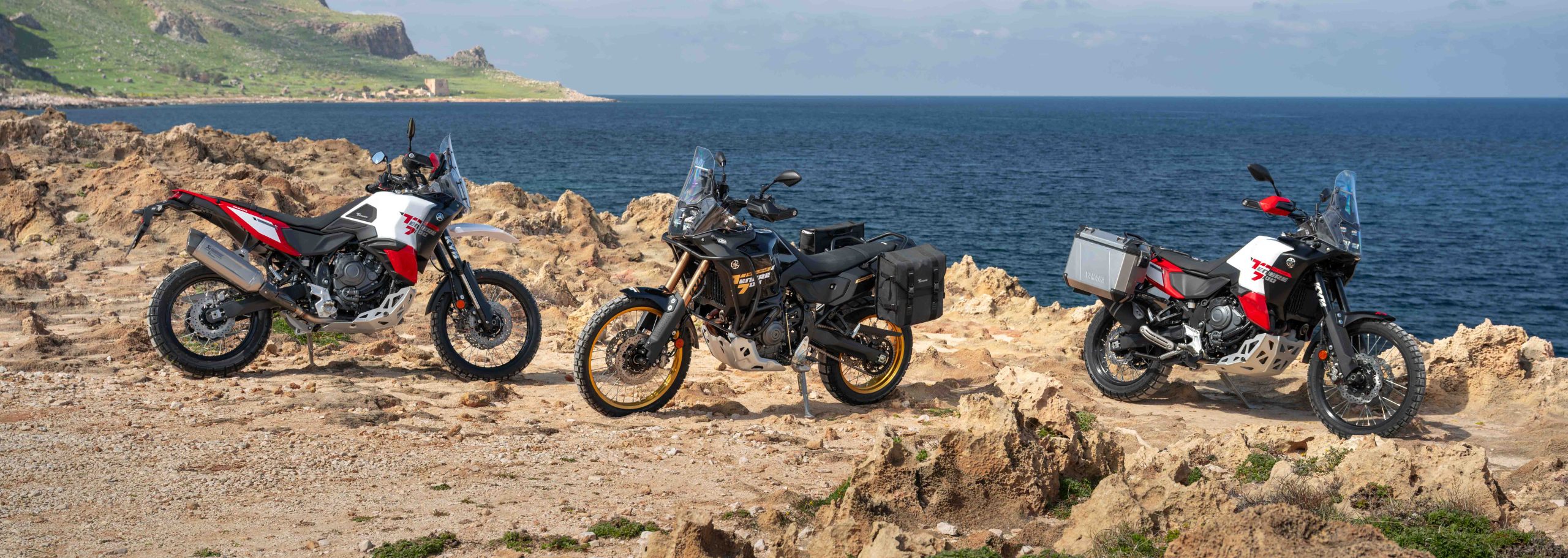
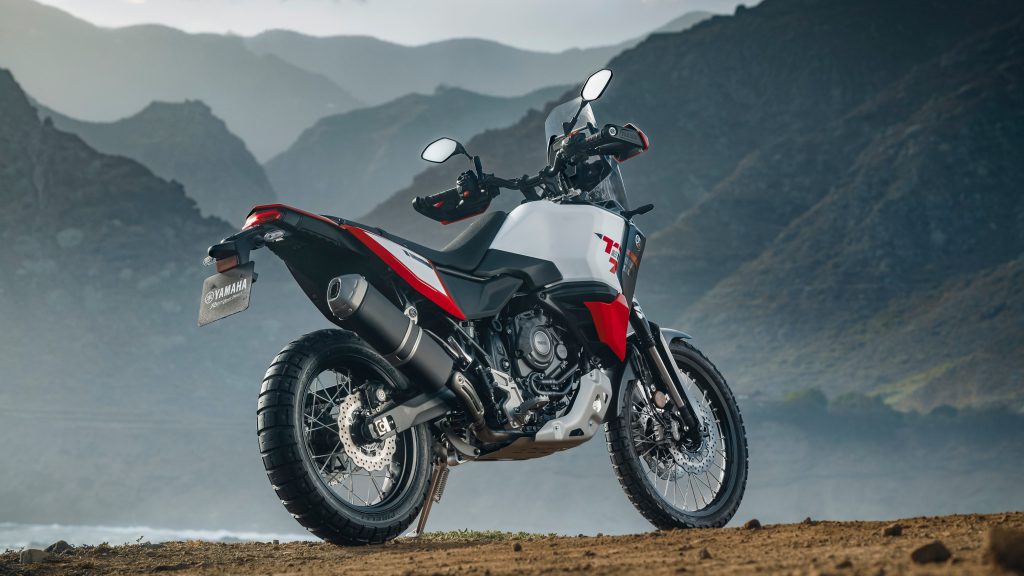
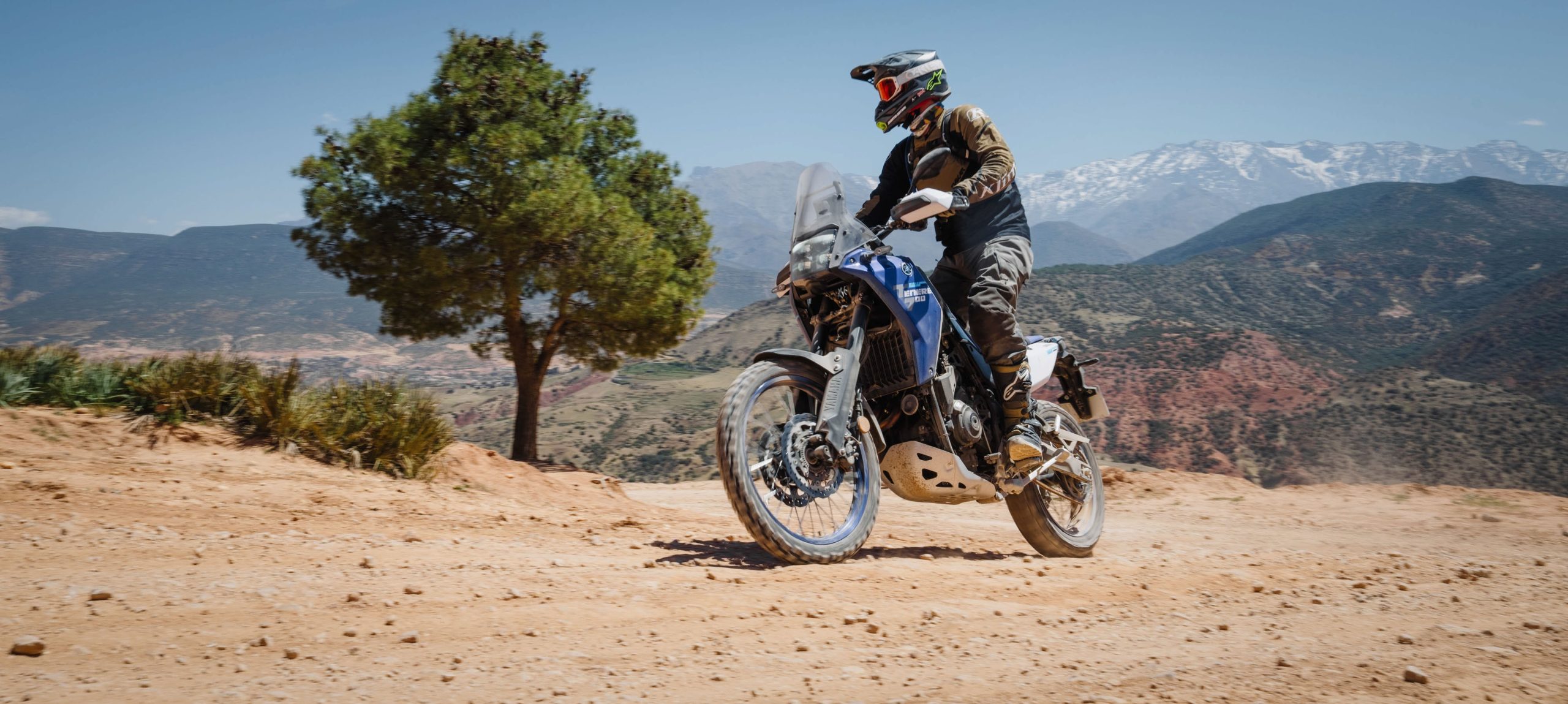
Yamaha's Ténéré 700 dominates the 'middleweight' adventure segment
Set a Realistic Budget
Prices for capable new trail bikes span a wide range. Indian firm Hero recently lowered the bar for a new trail machine with the arrival of their 200 X-Pulse which offers a £2500 ticket combined with a two-year warranty. Otherwise 300/450cc models start from around £4500 while of course you spend anything from £17,000 to £25,000-plus for a flagship adventure tourer. Factor in the cost of proper off-road boots, luggage and servicing, since trail bikes see harder use than a typical road bike and need more frequent chain and suspension maintenance. And insurance.
The Bottom Line
The best trail motorcycle for UK riding is the one that matches your licence, your size, and how you’ll genuinely use it, not the biggest or most powerful model on the showroom floor. The ‘you’ is the significant factor – the best bike for you will not be the best bike for the next rider, which is why there is no one single best, not even multiple bests. If you can, test ride a few options in your target category before buying. And, just maybe if your ego will allow, start small – nearly everyone you’ll see riding trails on a big trail-adventure bike will have started with a much smaller bike and moved up the weight/power scale as their skills and experience improved. It’s not the destination, it’s the journey…
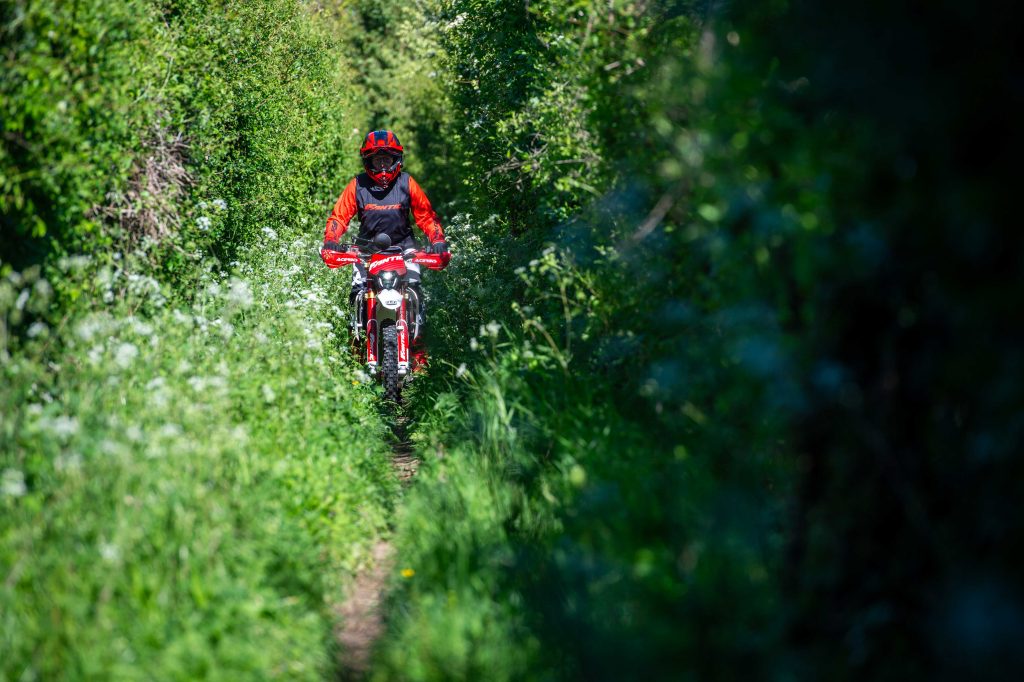
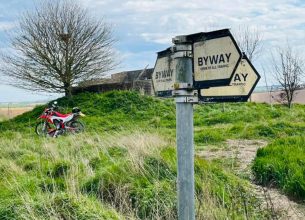
Bike choice is a thing but trail riding is more about the where – just plain getting out there – than about the bike...
...immersing yourself in the countryside...
...and in time, maybe exploring further afield...
Trail riding terminology
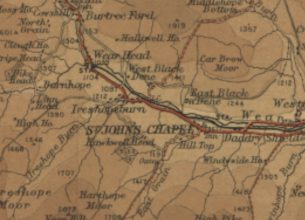
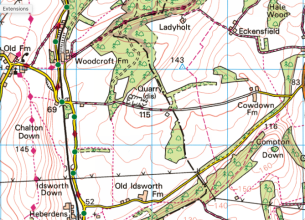
The world of Trail Riding and Green Roads has a bewildering array of terms here are some references to get your head around